May 13, 2026

From Confusing to Fabulous: A Website Revamp Case Study

This article has been written by Melissa Soliano

Sometimes, the shift does not happen overnight. 


For Hardcore Solutions, an event management company known for delivering impactful events, the turning point came when they started noticing something around them. Their competitors were becoming more visible online, with stronger websites, more active social media, and a more consistent digital presence. 


What made this even more important was the fact that Hardcore Solutions was already working on well known events and brands. From community driven events like Riuh, to campaigns involving MINI, New Balance, and KFC, they had the experience and credibility. 


But online, it did not feel that way. 


That is when they realised it was time to rethink their website and digital visibility, before they slowly became less recognised in a competitive space. 

Reviewing the Existing Event Management Website 

When we first reviewed their existing website, the issue was not that it was completely broken. 


It was there. It loaded. It showed their brand. 


But from a website user experience and navigation perspective, it was not working effectively. 


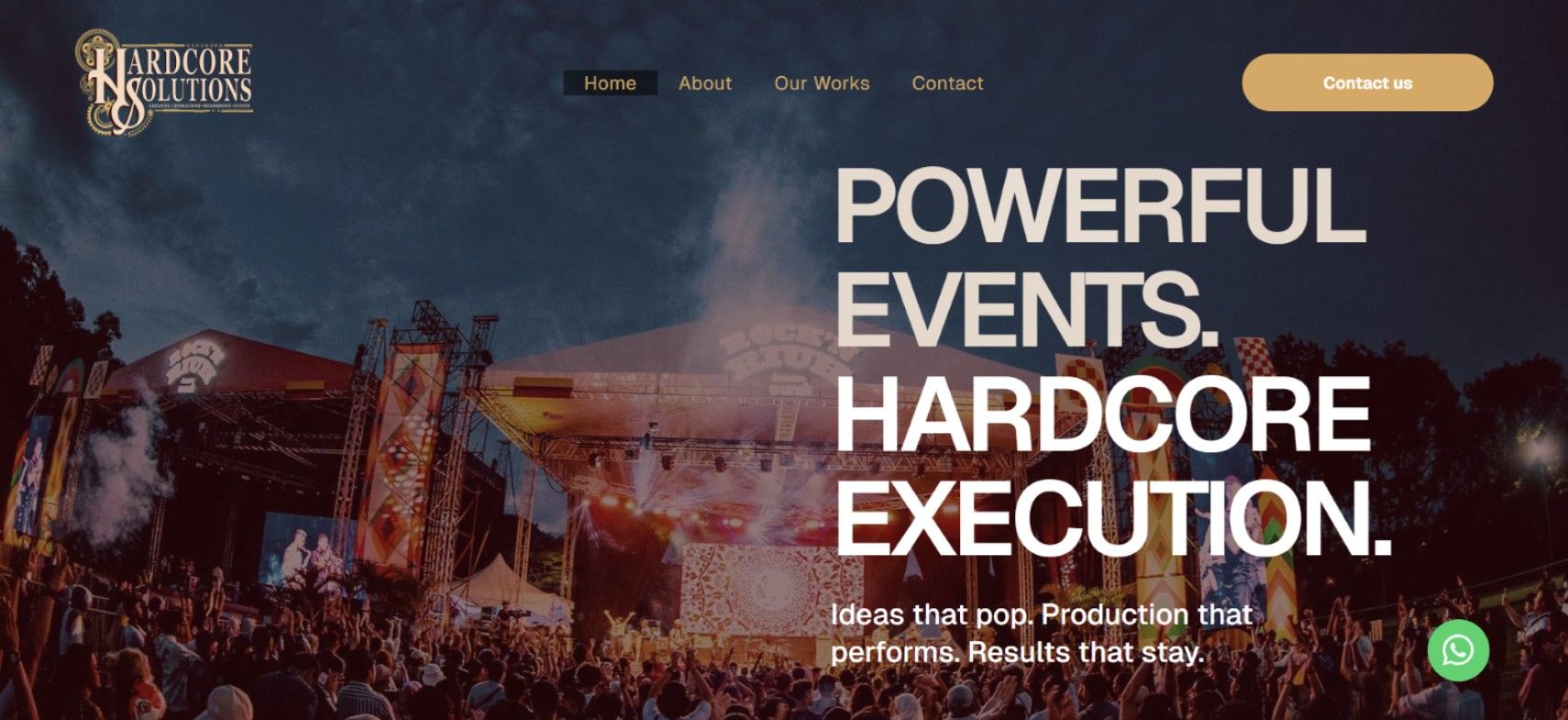
The first thing users saw was a large homepage banner. Visually strong, but beyond that, there was no clear navigation menu, no visible call to action, and no guidance on what users should do next. 

Screenshot shows client’s old website’s home page, no navigation menu and a banner that took up the entire screen space.

Users had to scroll before they could even begin to understand what the company offers. 


From there, the experience remained limited. 


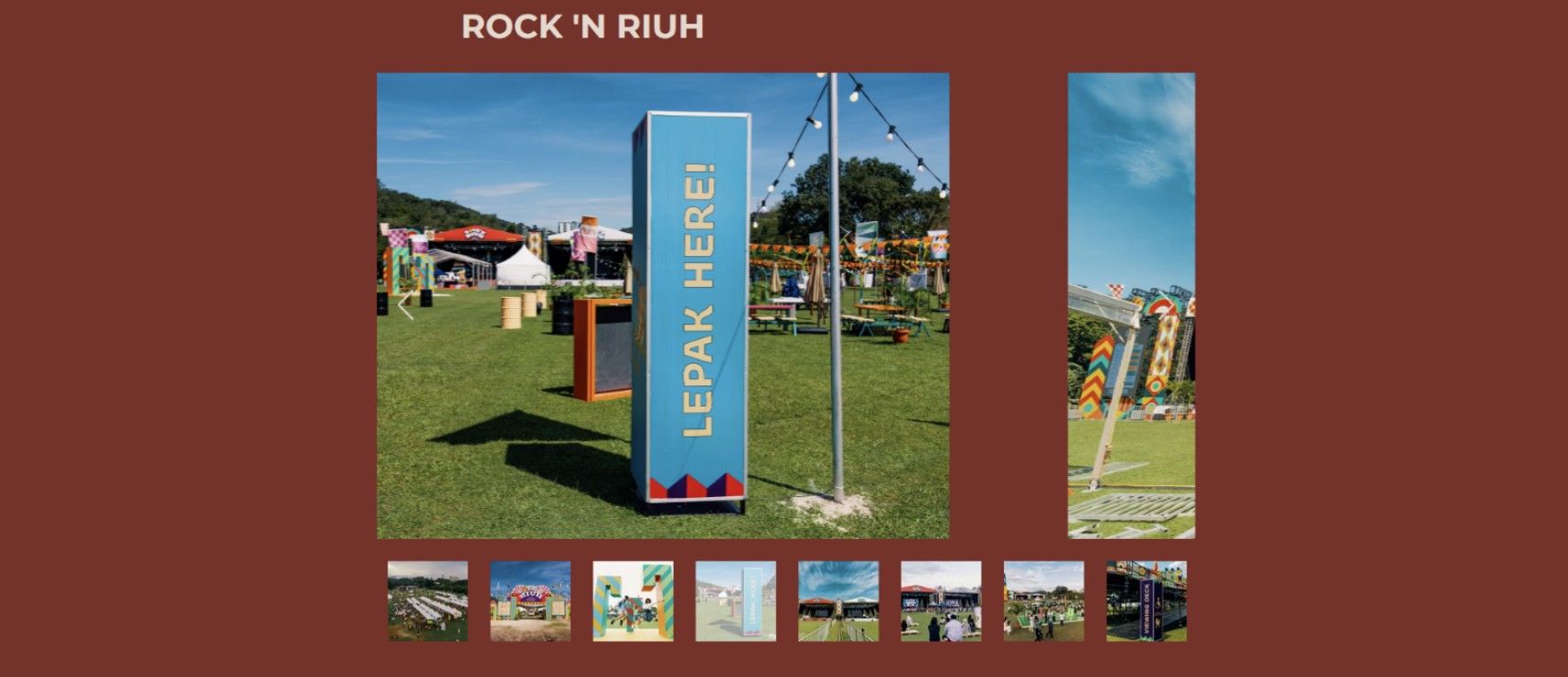
The content was minimal, and the structure functioned more like a single landing page rather than a fully developed event management website. Their past works were displayed through a collection of images, but without deeper context, structure, or clear pathways to explore further. 

One of their past works in a gallery view which was just a collection of images without any form of information.

Everything was present, but the website lacked a clear user journey and navigation flow. 

Why Website Structure and User Flow Matter

A website today is not just something people look at. 


It is something people move through. 


Especially with mobile traffic being dominant, a mobile friendly website design is no longer optional. Users expect clarity within seconds. They need to know where to go, what to explore, and how to take the next step. 


If the website structure does not guide them, they leave. 


Not because the brand is not capable, but because the experience is not intuitive. 


That was the core issue we needed to solve through this website revamp. 

Our Approach to the Website Revamp

For this website revamp case study, our focus was not just visual improvement. 


It was about improving usability, structure, and conversion flow. 

1. Creating a Mobile Friendly and Structured Homepage 


We redesigned the homepage to guide users from the moment they land. 


Instead of a static banner leading into uncertainty, the homepage now consists of clearly structured sections. Each section introduces a key part of the brand, from services to past work. 


Navigation is now visible and accessible, allowing users to move through the website easily across both desktop and mobile. 

2. Improving Website Navigation and Page Connectivity


One of the biggest gaps in the previous website was the lack of connection between pages. 


Users could view content, but there was no clear next step. 


In the revamped website, every page is connected as part of a larger user journey. 


From the homepage, users can explore services, move into past works, and understand the company in more depth. Within the past works section, users are guided to a full portfolio page, allowing them to explore the breadth of Hardcore Solutions’ event capabilities. 


This improves both user experience and engagement.


3. Designing a Conversion Focused User Journey 


A strong website should guide users towards action. 


Across the revamped website, we introduced clear call to action buttons and contact forms at strategic points. Whether users are ready to enquire immediately or still exploring, there is always a clear pathway to take the next step. 


This transforms the website from a passive platform into a conversion focused experience.

From Static Website to Conversion Driven Experience 

The transformation was not just visual. 


Before, the website felt static, disconnected, and limited in direction. 


After the revamp, the website became structured, mobile friendly, and guided by a clear user journey. 


Users are no longer just browsing. They are being led through an experience that helps them understand the brand, explore its work, and take action with confidence. 

Key Takeaway from This Website Revamp Case Study 

  • This project is a reminder that a website does not need to be complex to perform well. 
  • It needs to be clear, connected, and built around how users actually navigate. 
  • Because in the end, a well-designed website is not just about how it looks. 
  • It is about how easily people can move through it and take action. 
KitKat hyperlocalisation visual with hornbill, pineapple and local elements in creative design
By Melissa Soliano April 22, 2026
Explore Adxodus’ take on KitKat hyperlocalisation and the creative thinking behind our visual design, from local elements to storytelling.
By Melissa Soliano April 16, 2026
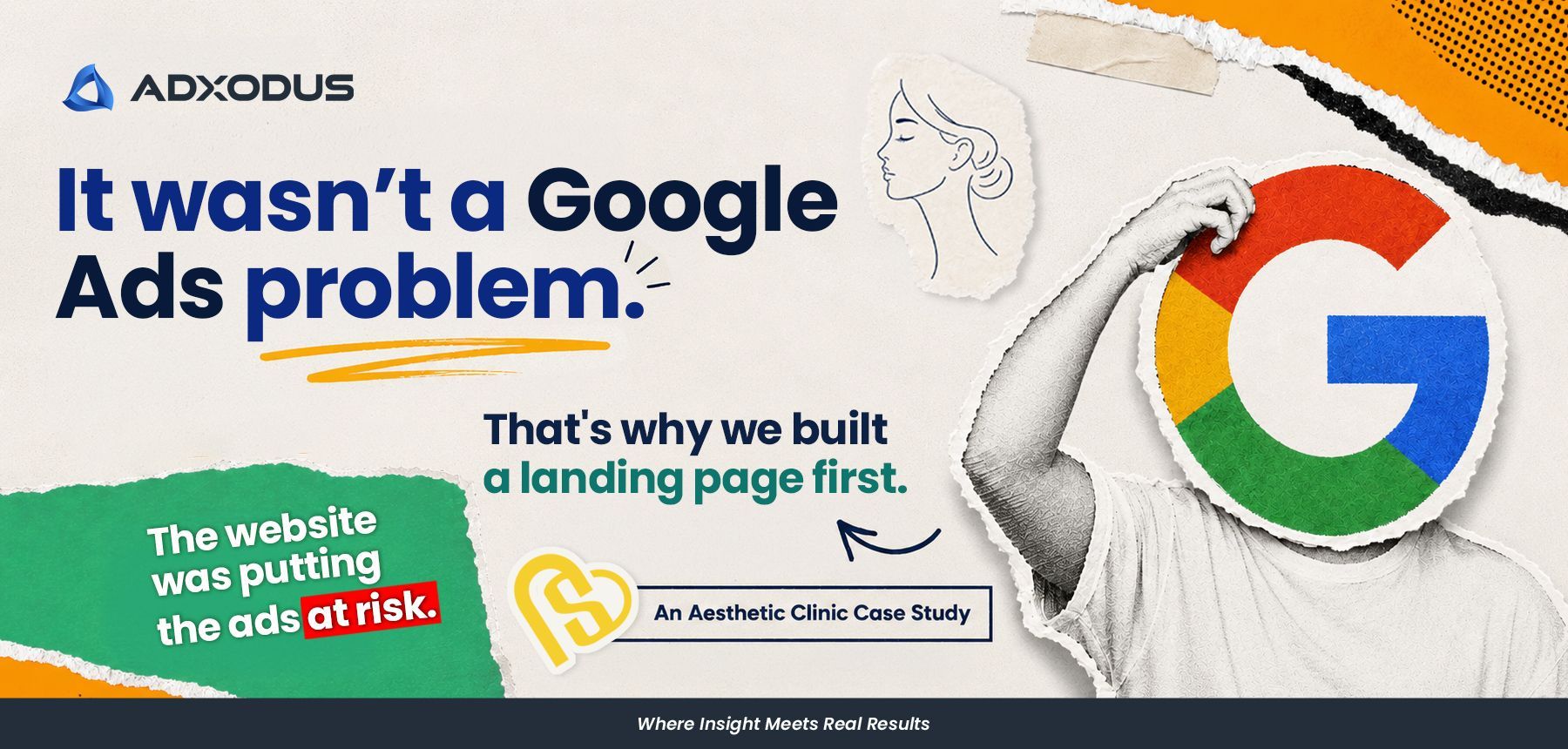
You run an ad. People click. Traffic comes in. Then nothing happens. No enquiries, no real traction, just numbers moving without results. At that point, most businesses start questioning their targeting, budget or ad creatives. But there is one question that often gets overlooked. When someone clicks your ad, what do they actually see when they land on your page? This is where organic content becomes essential. Paid ads drive visibility, but visibility alone does not build trust. Organic marketing shapes how prospects evaluate your credibility once they discover you.
By Melissa Soliano April 3, 2026
It’s quite common to see businesses run marketing campaigns that target the whole of Malaysia. Have you noticed this too? Not just in your own campaigns, but also when you scroll through ads online. A promotion meant for “all Malaysians.” A message that tries to speak to everyone at once. And to be fair, this approach isn’t wrong. Malaysia is a connected market, and reaching a wide audience can sometimes make sense. But here’s something we’ve observed over time. Malaysia may be one country, but its markets behave very differently. A customer in Kuala Lumpur doesn’t always search or buy the same way as someone in Penang. Purchasing behaviour in Johor may look different from Sabah. Even language preference, urgency, and spending habits can vary depending on where people live. So the question becomes: if customer behaviour is different across regions, should marketing treat the whole country the same way? This is where hyperlocal marketing starts to make a lot more sense.
Show More
KitKat hyperlocalisation visual with hornbill, pineapple and local elements in creative design
By Melissa Soliano April 22, 2026
Explore Adxodus’ take on KitKat hyperlocalisation and the creative thinking behind our visual design, from local elements to storytelling.
By Melissa Soliano April 16, 2026
You run an ad. People click. Traffic comes in. Then nothing happens. No enquiries, no real traction, just numbers moving without results. At that point, most businesses start questioning their targeting, budget or ad creatives. But there is one question that often gets overlooked. When someone clicks your ad, what do they actually see when they land on your page? This is where organic content becomes essential. Paid ads drive visibility, but visibility alone does not build trust. Organic marketing shapes how prospects evaluate your credibility once they discover you.
By Melissa Soliano April 3, 2026
It’s quite common to see businesses run marketing campaigns that target the whole of Malaysia. Have you noticed this too? Not just in your own campaigns, but also when you scroll through ads online. A promotion meant for “all Malaysians.” A message that tries to speak to everyone at once. And to be fair, this approach isn’t wrong. Malaysia is a connected market, and reaching a wide audience can sometimes make sense. But here’s something we’ve observed over time. Malaysia may be one country, but its markets behave very differently. A customer in Kuala Lumpur doesn’t always search or buy the same way as someone in Penang. Purchasing behaviour in Johor may look different from Sabah. Even language preference, urgency, and spending habits can vary depending on where people live. So the question becomes: if customer behaviour is different across regions, should marketing treat the whole country the same way? This is where hyperlocal marketing starts to make a lot more sense.
Show More

Share this article