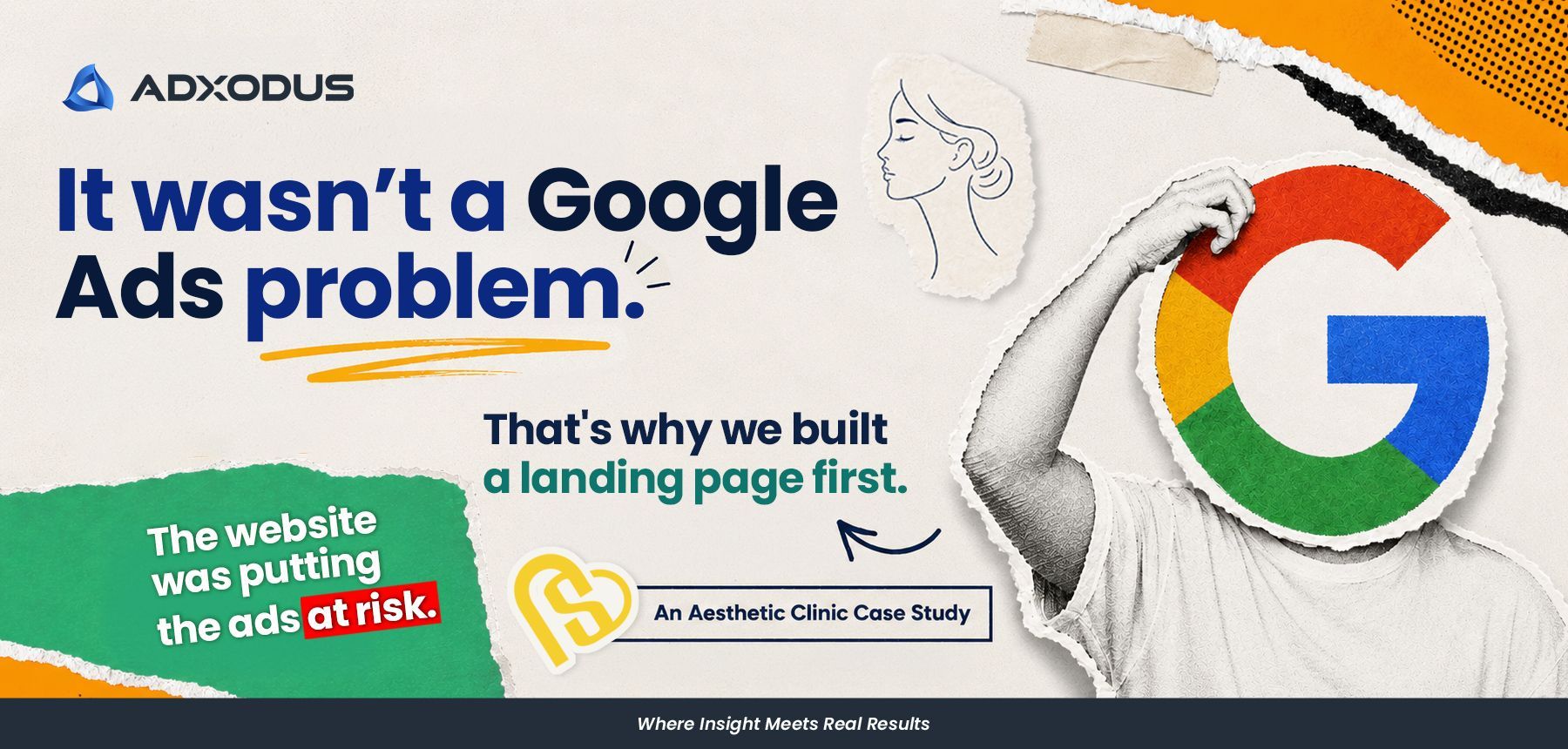
Learn how Adxodus built a landing page for an aesthetic clinic before running Google Ads, improving SEO structure, keyword focus, user flow, and campaign readiness.
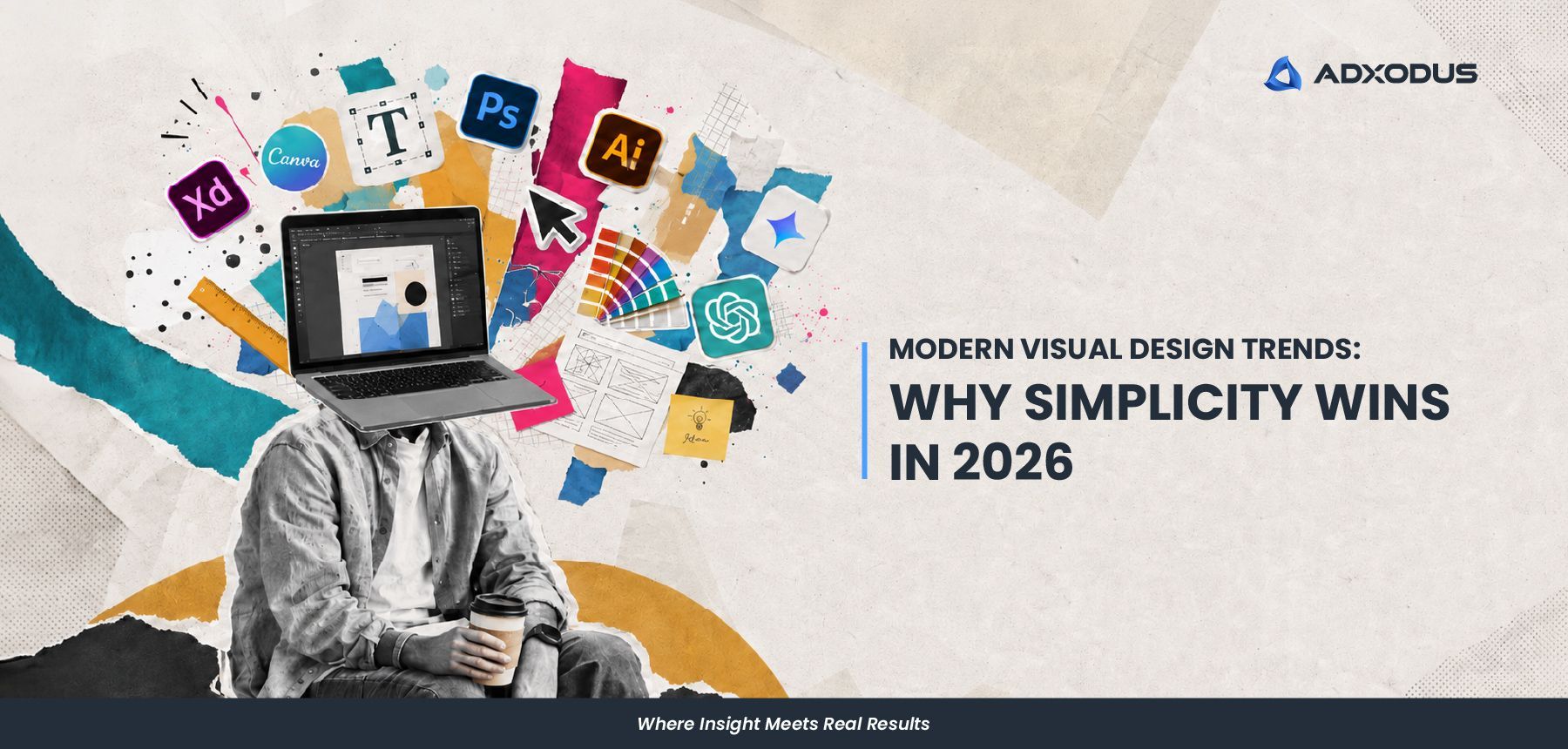
From our creative designer’s point of view, modern visual design trends in 2026 feel a bit different. Things are becoming simpler, but not in a boring or empty way. Things are becoming cleaner, clearer, and more intentional. We’ve been noticing that many brands are moving away from visuals that try to say too many things at once. Instead, there is more focus on stronger layouts, clearer messaging, and visuals that people can understand quickly. And honestly, it makes sense. People today scroll very fast. Between social media, websites, ads, and videos, attention spans are getting shorter. If a visual takes too long to understand, people usually move on before the message even lands. That is why simplicity is becoming more important. Not because it is “safe”, but because it communicates better.
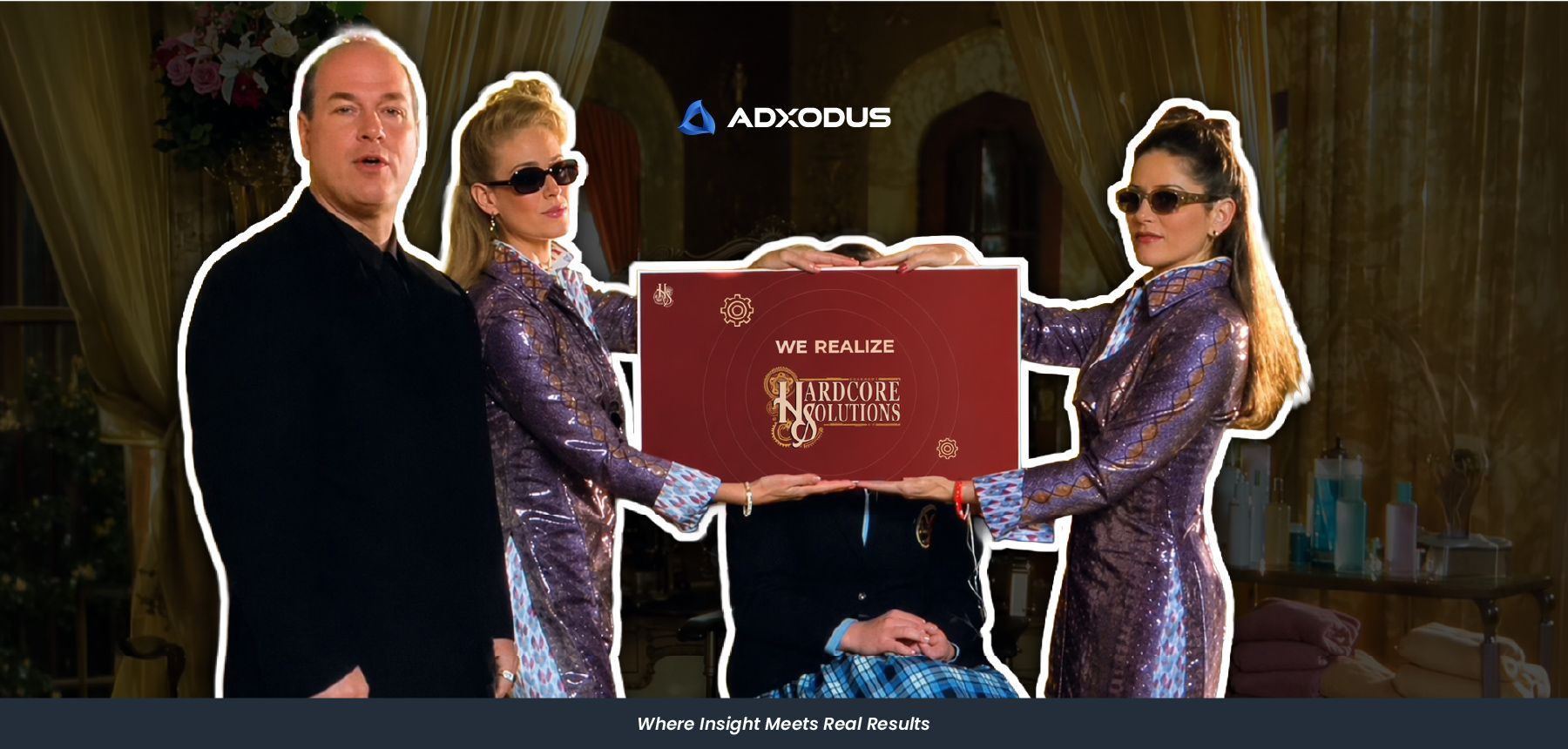
Learn more on how Adxodus revamped Hardcore Solutions’ website into a clearer, modern and more functional online experience for their event management brand
Explore Adxodus’ take on KitKat hyperlocalisation and the creative thinking behind our visual design, from local elements to storytelling.
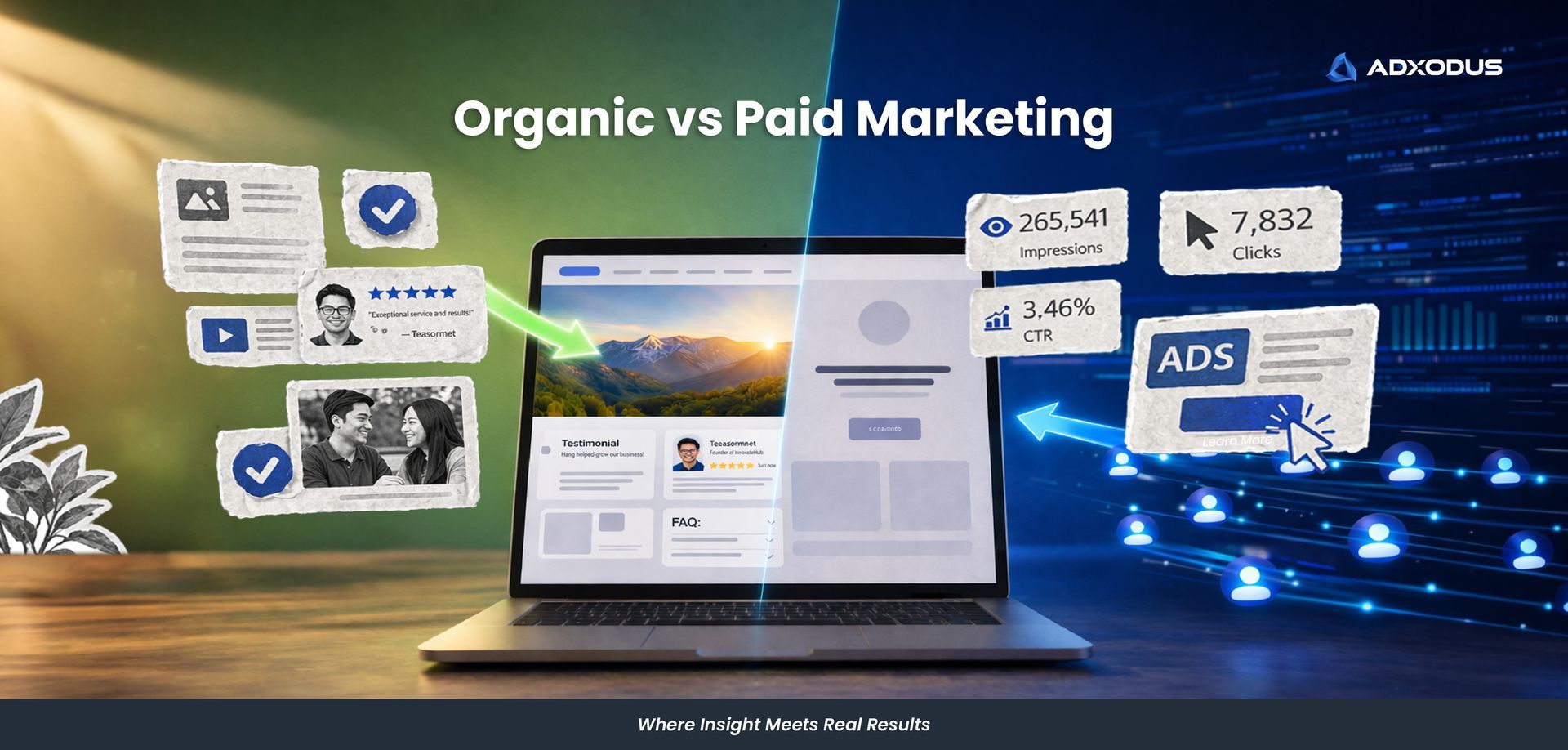
You run an ad. People click. Traffic comes in. Then nothing happens. No enquiries, no real traction, just numbers moving without results. At that point, most businesses start questioning their targeting, budget or ad creatives. But there is one question that often gets overlooked. When someone clicks your ad, what do they actually see when they land on your page? This is where organic content becomes essential. Paid ads drive visibility, but visibility alone does not build trust. Organic marketing shapes how prospects evaluate your credibility once they discover you.
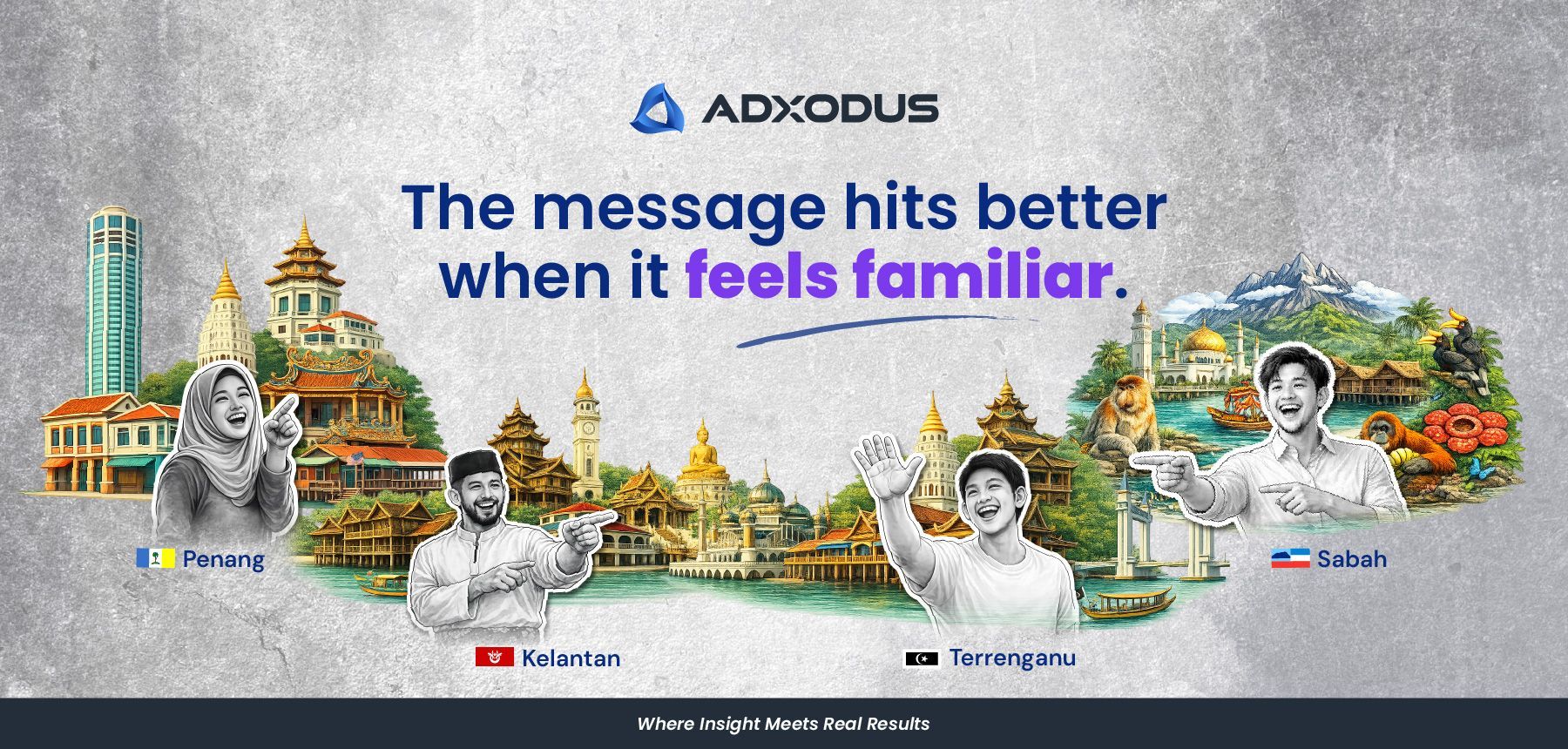
It’s quite common to see businesses run marketing campaigns that target the whole of Malaysia. Have you noticed this too? Not just in your own campaigns, but also when you scroll through ads online. A promotion meant for “all Malaysians.” A message that tries to speak to everyone at once. And to be fair, this approach isn’t wrong. Malaysia is a connected market, and reaching a wide audience can sometimes make sense. But here’s something we’ve observed over time. Malaysia may be one country, but its markets behave very differently. A customer in Kuala Lumpur doesn’t always search or buy the same way as someone in Penang. Purchasing behaviour in Johor may look different from Sabah. Even language preference, urgency, and spending habits can vary depending on where people live. So the question becomes: if customer behaviour is different across regions, should marketing treat the whole country the same way? This is where hyperlocal marketing starts to make a lot more sense.
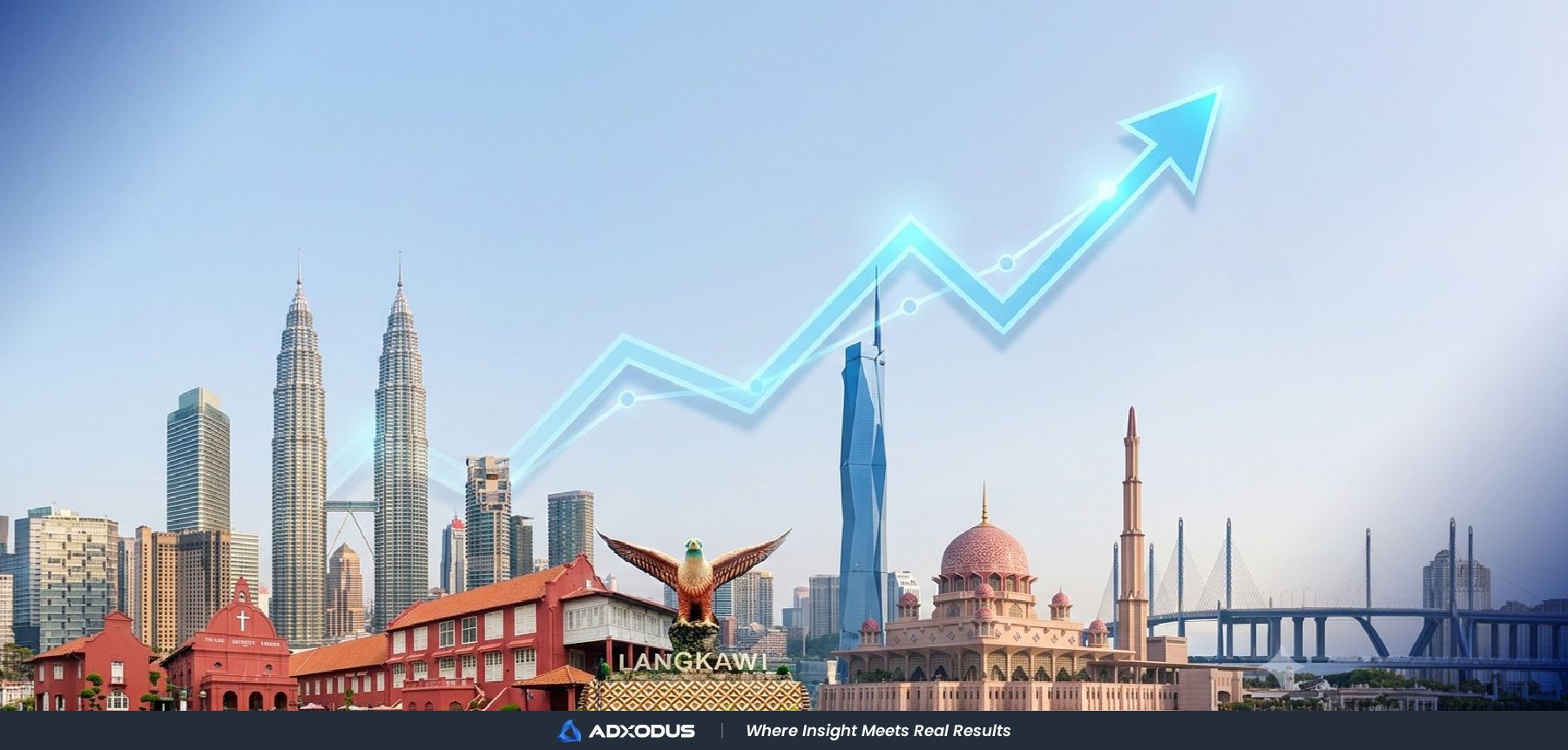
Discover how Adxodus increased leads by 82% for a travel agency in 90 days using refined Google Ads targeting and performance strategy.